

Testosterone therapy can be life-changing for the right person and inappropriate for the wrong one. Many men feel curious, cautious, or confused about whether they are a good fit. This blog will walk you through testosterone therapy candidacy, explaining how clinicians assess symptoms, lab patterns, and health risks to decide who can benefit safely and who should not start TRT yet.
Men who pursue answers responsibly usually begin with a structured evaluation through a clinically supervised testosterone therapy program, where decisions are guided by data rather than guesswork.
Why Testosterone Therapy Is Not a Lifestyle Upgrade

Testosterone therapy is a medical treatment that alters endocrine signaling, red blood cell production, lipid metabolism, and fertility pathways. It is not designed to optimize already healthy hormone levels or compensate for poor sleep, chronic stress, or inconsistent nutrition.
Clinical guidelines emphasize that TRT should only be considered when a clear biological deficiency exists and when the benefits outweigh the risks. According to the Endocrine Society’s clinical practice guideline, testosterone therapy is recommended only for men with both consistent symptoms and unequivocally low testosterone levels confirmed on repeat testing.
This distinction is critical because many men experience symptoms that feel hormonal but originate elsewhere
What Clinicians Mean by Testosterone Therapy Candidacy
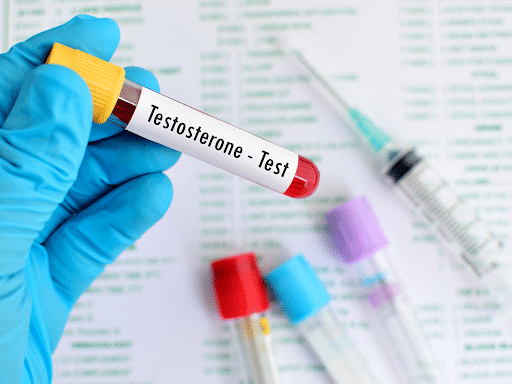
Testosterone therapy candidacy is not about wanting TRT. It is about whether TRT is appropriate, safe, and likely to work for a specific individual.
Clinicians evaluate three pillars together:
- Symptom burden that affects daily function
- Laboratory confirmation of testosterone deficiency
- Risk assessment covering cardiovascular, prostate, and hematologic health
If one pillar is missing, TRT is often delayed or avoided.
Step One: Symptoms Must Align With Hormone Biology
Why are symptoms alone not enough
Fatigue, low motivation, reduced libido, and brain fog are common complaints, but they are not specific to low testosterone. Sleep apnea, insulin resistance, depression, thyroid dysfunction, and chronic stress can produce nearly identical symptoms.
That is why clinicians insist on symptom–lab correlation, meaning symptoms must match objective hormonal findings before TRT is considered.
Men who skip this step often end up disappointed, because TRT cannot fix problems it is not responsible for.
Step Two: Testosterone Blood Testing That Actually Matters
A proper TRT evaluation never relies on a single number.
Clinicians typically assess:
- Morning total testosterone on at least two occasions
- Free testosterone to evaluate hormone availability
- SHBG to understand binding dynamics
- LH and FSH to identify where signaling breaks down
- Estradiol to assess conversion balance
According to Cleveland Clinic guidance on male hypogonadism, interpreting testosterone without pituitary and binding markers leads to incomplete diagnosis and mistreatment.
This layered testing explains why some men with “normal” total testosterone still qualify for TRT while others with low total testosterone do not.
Step Three: Identifying the Source of Low Testosterone
Primary vs secondary hypogonadism
Clinicians use LH and FSH patterns to determine whether testosterone deficiency originates in the testes or in brain signaling.
- Primary hypogonadism shows low testosterone with elevated LH
- Secondary hypogonadism shows low testosterone with low or normal LH
This distinction influences treatment planning, fertility considerations, and long-term monitoring.
When symptoms overlap with sexual performance issues, clinicians often evaluate both hormone status and vascular contributors. Vivagen’s breakdown of erectile dysfunction causes helps clarify when TRT may help and when other pathways are responsible.
Step Four: Metabolic and Cardiovascular Risk Evaluation
TRT candidacy always includes a cardiovascular and metabolic review.
Clinicians assess:
- Blood pressure
- Lipid profile
- Hematocrit and hemoglobin
- Glucose and insulin resistance markers
- Family history of cardiovascular disease
Modern evidence suggests TRT can be safe when properly monitored, but uncontrolled risk factors increase complication potential.
The interaction between metabolic health and testosterone production is well-documented. Men with insulin resistance or visceral fat often have suppressed testosterone signaling. This relationship is explored in Vivagen’s analysis of metabolism and weight gain, where hormonal availability is directly tied to metabolic stress.
Step Five: Prostate and Hematologic Safety Screening
Prostate evaluation
TRT does not automatically cause prostate cancer, but clinicians still screen carefully using PSA levels, symptom history, and age-appropriate risk assessment.
TRT is typically postponed in men with untreated prostate cancer or rapidly rising PSA until further evaluation is complete.
Red blood cell monitoring
Testosterone stimulates red blood cell production. Excessive increases in hematocrit raise clotting risk, which is why ongoing monitoring is non-negotiable in clinician-guided TRT.
Who Is Often a Good Candidate for TRT
Men are more likely to qualify safely when they have:
- Persistent symptoms affecting quality of life
- Confirmed low testosterone on repeat morning labs
- Clear symptom–lab alignment
- Stable cardiovascular and prostate risk profile
- Willingness to follow monitoring protocols
When these criteria are met, TRT often improves energy, libido, mood stability, muscle preservation, and cognitive clarity.
Who Is Not a Good Candidate Yet
Clinicians may delay or avoid TRT when:
- Testosterone labs are normal despite symptoms
- Symptoms are driven by sleep apnea, depression, or thyroid disease
- Fertility is an immediate priority
- Hematocrit or PSA is elevated at baseline
- Cardiovascular risk is unstable
In these cases, addressing underlying issues first leads to better outcomes and avoids unnecessary hormone exposure.
Why Clinician-Guided TRT Matters
Self-prescribed or loosely monitored testosterone often fails because it ignores:
- Dosing oversight
- Estradiol balance
- Long-term cardiovascular monitoring
- Red blood cell regulation
- Fertility suppression risks
Clinician-guided TRT adjusts therapy based on labs, symptoms, and safety markers over time.
What Ongoing TRT Monitoring Looks Like
Safe TRT programs include:
- Follow-up labs every few months initially
- Symptom reassessment
- Hematocrit and lipid monitoring
- Estradiol tracking
- Dose adjustments based on response
TRT candidacy does not end at prescription. It is an ongoing clinical relationship.
TRT and Fertility: A Critical Candidacy Factor
Testosterone therapy suppresses endogenous sperm production in many men.
Men planning to have children soon may require alternative strategies or adjunctive therapies rather than standard TRT. Fertility goals are assessed early to prevent unintended consequences.
Conclusion
Testosterone therapy candidacy is determined by biology, not desire. Clinicians evaluate symptoms, hormone patterns, metabolic health, and safety markers together to decide whether TRT is appropriate. When guided properly, TRT can restore quality of life. When rushed or misapplied, it creates avoidable risk. The difference lies in structured evaluation and ongoing clinical oversight.
FAQs About Testosterone Therapy Candidacy
How do clinicians decide if TRT is right for me?
They assess symptoms, repeat testosterone labs, pituitary signaling, metabolic health, and safety markers before prescribing.
Can I start TRT if my testosterone is “low-normal”?
Possibly, but only if symptoms align and free testosterone is deficient. Numbers alone are not enough.
Is TRT safe for the heart?
When properly monitored, TRT is considered safe for many men, but cardiovascular risk must be evaluated first.
Will TRT affect fertility?
Yes. TRT can suppress sperm production, which is why fertility goals are reviewed before starting therapy.
How often do I need monitoring on TRT?
Most clinicians monitor labs every 3–6 months initially, then adjust based on stability and response.