

Medical science provides new paths for people struggling with chronic weight management. One prominent method involves the lose weight injection approach. This therapy uses specific medications to influence metabolic pathways and appetite control. Traditional methods like calorie counting or high-intensity exercise often meet biological resistance. The human body naturally defends its fat stores through hormonal changes that increase hunger.
A medical lose weight injection from Vivagen Health bypasses these evolutionary hurdles by targeting the underlying chemistry of satiety. Patients who use these treatments often report a significant decrease in cravings and a more stable relationship with food.
How to Lose Weight with Injections
Understanding how to lose weight with injections requires a look at biological signaling. These treatments do not simply burn fat through heat. Instead, they act as messengers that talk to the brain and the digestive tract.
Regulating Neuro-Chemical Signaling
Most modern injections use GLP-1 (Glucagon-Like Peptide-1) receptor agonists. This hormone occurs naturally in the body. It signals the brain to feel full after a meal. By mimicking this hormone, the medication slows down gastric emptying. This means food stays in the stomach longer.
When the stomach remains full, the brain receives fewer hunger signals. This reduction in “food noise” makes it easier for patients to stick to a reduced-calorie diet. The medication also helps the pancreas manage insulin more effectively. Stable insulin levels prevent the sharp blood sugar drops that often lead to sugar cravings.
>>> Read more: https://vivagenhealth.com/glp-1-weight-loss-program/
How Many Weight Loss Injections Are There?
Patients often ask how many weight loss injections are on the market today. While the list grows as research continues, the primary options fall into a few distinct categories based on their active ingredients.
| Medication Category | Common Active Ingredients | Primary Function |
| GLP-1 Receptor Agonists | Semaglutide, Liraglutide | Mimics satiety hormones and slows digestion. |
| Dual Agonists (GLP-1/GIP) | Tirzepatide | Targets two different hunger hormones for increased effect. |
| Lipotropic Injections | Methionine, Inositol, Choline | Focuses on fat metabolism and liver health. |
| Vitamin B12 / MIC | Cyanocobalamin | Boosts energy levels to support physical activity. |
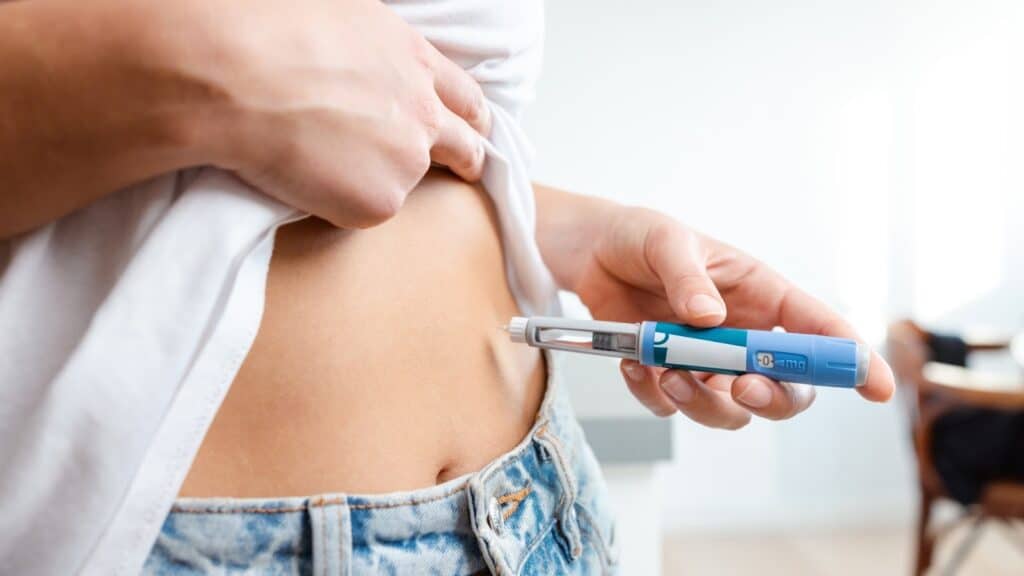
Are Weight Loss Injections Worth It?
When patients evaluate their options, they frequently wonder if weight loss injections are worth it compared to other interventions. The answer depends on your medical history and previous attempts at weight reduction. For those with metabolic resistance, these injections provide a biological advantage that willpower alone cannot achieve.
Weight Loss Injection Benefits Beyond the Scale
The weight loss injection benefits extend to many areas of systemic health. Reducing total body mass lowers the physical stress on joints and the cardiovascular system.
- Improved glycemic control:
Many patients see a significant drop in A1C levels.
- Blood pressure management:
Losing weight through these shots often leads to lower resting blood pressure.
- Cardiovascular health:
Clinical studies show a reduction in major cardiac events for patients using certain GLP-1 medications.
- Sleep quality:
Reducing neck fat and systemic inflammation can alleviate symptoms of sleep apnea.
Injection Shots to Lose Weight vs. Traditional Methods
Using injection shots to lose weight offers a different experience than relying solely on diet and exercise. Traditional methods often fail because the body fights back against calorie restriction. When you eat less, your body increases hunger hormones to protect its fat stores.
Injections override this “starvation mode” by chemically suppressing the urge to overeat. This allows the patient to focus on nutritional quality rather than constant hunger management. While diet and exercise remain part of the process, the medication acts as a biological tool to make those habits sustainable.
>>> Read more: https://www.bhf.org.uk/informationsupport/heart-matters-magazine/medical/weight-loss-injections-explained
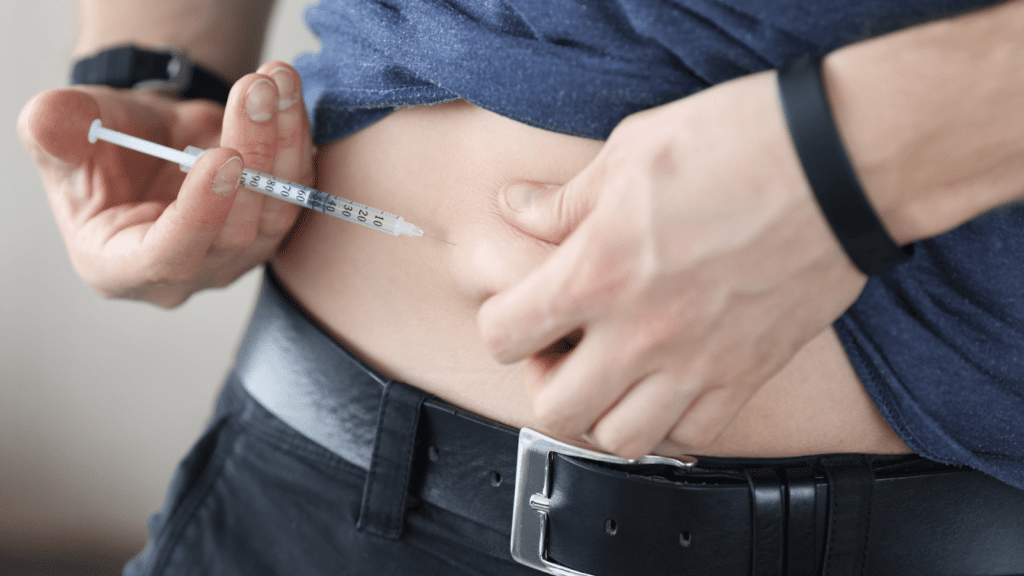
The Hormonal Factor: Will Testosterone Injections Help Me Lose Weight?
Men often question the role of hormone replacement in body composition. Specifically, they ask: will testosterone injections help me lose weight? The relationship between testosterone and body fat is cyclical. High body fat can lower testosterone, and low testosterone makes it harder to lose fat.
>>> Read more: https://www.health.harvard.edu/mens-health/obesity-unhealthy-and-unmanly
Muscle Mass and Metabolic Rate Correlation
Testosterone is an anabolic hormone. It helps the body build and maintain lean muscle tissue. Muscle is more metabolically active than fat. This means a body with more muscle burns more calories at rest.
If a man has low testosterone, he may experience muscle wasting and increased abdominal fat. Replacing that hormone can shift the body back into an anabolic state. This makes it easier to gain muscle during strength training, which naturally increases the daily caloric burn.
Addressing Hormonal Deficiencies
Testosterone is not a primary weight loss drug. However, if a deficiency exists, correcting it supports fat loss goals.
- Increased Energy:
Higher testosterone levels often lead to better motivation and stamina for exercise.
- Fat Distribution:
Normal hormone levels help the body distribute fat away from the midsection.
- Metabolic Recovery:
Proper hormonal balance helps the body recover from workouts faster.
Patient Criteria and Weight Loss Injection Qualifications
Not everyone is a candidate for this therapy. There are specific weight loss injection qualifications that providers look for during an initial consultation. These standards ensure that the medication is used safely and by those who will benefit the most.
Medical Necessity and Body Mass Index (BMI)
Most clinical guidelines use BMI as a starting point for weight loss injection qualifications.
- BMI of 30 or higher:
This is generally the threshold for obesity where medication is considered.
- BMI of 27 or higher with comorbidities:
If a patient has high blood pressure, type 2 diabetes, or high cholesterol, they may qualify at a lower weight.
The Requirement for Clinical Oversight
Safety is a priority when using medical injections. These are not over-the-counter supplements. They require a prescription and regular monitoring by a healthcare professional.
Clinical oversight includes:
- Baseline Blood Work:
Checking kidney and liver function before starting treatment.
- Dose Escalation:
Starting with a low dose to minimize side effects like nausea.
- Vital Sign Monitoring:
Tracking heart rate and blood pressure throughout the program.
- Nutritional Support:
Ensuring the patient consumes enough protein and vitamins while their appetite is suppressed.
Professional Guidance at Vivagen Health in Fort Lauderdale
Living with excess weight can be a heavy physical and emotional burden. At Vivagen Health, we focus on the science of metabolic health to provide sustainable results. Our team understands that everybody reacts differently to treatment. We do not use a one-size-fits-all model for our patients.
We serve the Fort Lauderdale area with a commitment to medical excellence. We look at your blood work, your lifestyle, and your specific goals. This allows us to determine if a lose weight injection program is the right path for your biology.
Whether you are dealing with a slow metabolism or hormonal imbalances, we provide the tools to help you regain control of your health. Our facility offers a supportive environment where you can discuss your concerns and see real progress.Please contact our experienced staff at our Coral Ridge Mall location at 954-440-6468 or our Broward Mall location at 954-372-2471. Your journey to better health starts with a professional consultation at one of our convenient South Florida clinics.