

Dietary strategies from your twenties fail in midlife due to severe biological shifts. To successfully lose weight in your 40s, you must move beyond standard calorie counting. Medical science offers direct clinical pathways to bypass these physiological roadblocks completely.
At Vivagen Health, our medically supervised programs address the exact hormonal changes and metabolic slowdowns that define this decade. We replace generic advice with advanced diagnostics, extensive lab testing, and FDA-approved medical interventions to build a precision roadmap for reclaiming your body composition.
The Physiological Challenge of Losing Weight after 40
Understanding exactly how to lose weight after 40 requires an honest look into human physiology. As individuals age, their internal metabolic systems slow down significantly. This biological reality creates extreme resistance against fat oxidation. Standard fitness advice often fails because it ignores the fundamental cellular changes occurring inside the body.
Metabolic Adaptation and Efficiency Decline
The basal metabolic rate decreases naturally as a person enters their fourth decade. This process is called metabolic adaptation. The human body becomes highly efficient and requires fewer calories to sustain basic life functions. When caloric intake remains steady while this metabolic efficiency declines, rapid weight gain occurs.
A major contributor to this decline is the gradual loss of active muscle tissue. Muscle mass decreases by approximately three to five percent per decade after age 30. Medical professionals refer to this condition as sarcopenia. Less muscle mass translates directly to a lower resting metabolic rate. Muscle is a highly active tissue that burns calories even at complete rest. As muscle degrades, the body needs far fewer calories daily. Any excess energy quickly converts to stored body fat.
The Impact of Insulin Sensitivity Reduction
Insulin acts as a transportation hormone. It moves glucose from the bloodstream into cells for energy production. In midlife, cell receptors frequently become resistant to insulin signals. The pancreas responds by pumping out massive amounts of insulin to force glucose into the starved cells.
High circulating insulin levels signal the human body to stop burning fat and start storing it. This physiological environment makes fat burning almost impossible, regardless of dietary choices. Chronically elevated insulin also blocks an enzyme called hormone-sensitive lipase. This specific enzyme is required to break down stored triglycerides into free fatty acids for energy. Medical interventions directly target insulin resistance to restore optimal metabolic function and allow the body to release trapped fat.
>>> Read more: https://academic.oup.com/jcem/article/92/6/2292/2597910
Cellular Aging and Mitochondrial Function
Mitochondria serve as the energy powerhouses within human cells. They convert nutrients and oxygen into adenosine triphosphate for usable cellular energy. As human cells age, mitochondrial density and functional capacity decrease heavily.
This structural decline means the body becomes far less capable of oxidizing fat for fuel. Poor mitochondrial function leads to chronic fatigue, brain fog, and weight retention. When mitochondria fail to process glucose effectively, the body stores the excess energy as adipose tissue. Medical therapies that support mitochondrial health yield highly positive results for adults struggling with stubborn weight accumulation.
>>> Read more: https://youngermemd.com/mitochondrial-dysfunction/
Hormonal Complexities and Female Weight Loss in the 40s
Women face distinct biological hurdles during midlife. Clinical providers constantly hear questions regarding how to lose weight in your 40’s female body specifically. The answer lies heavily in addressing the dramatic hormonal shifts that happen during the transition toward menopause.
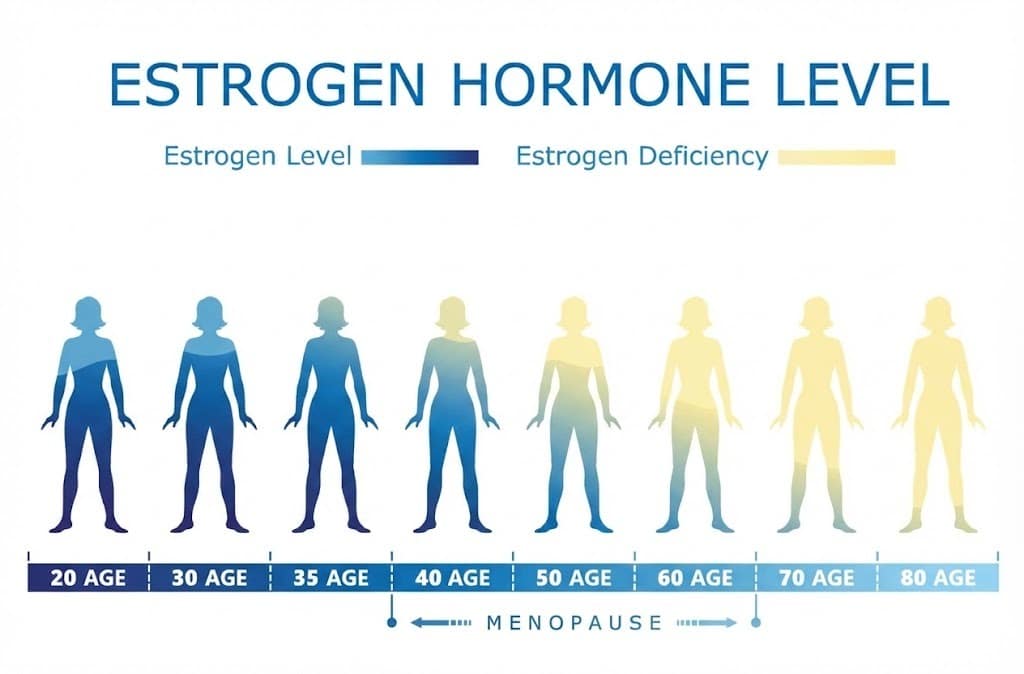
Perimenopause and Estrogen Fluctuations
The years preceding menopause trigger erratic estrogen production. This hormonal fluctuation directly shifts fat storage from the hips and thighs to the central abdominal region. This new abdominal fat acts as an active endocrine organ. It secretes inflammatory markers that drive further metabolic dysfunction and weight gain. Progesterone levels drop rapidly during perimenopause creates a physiological state of estrogen dominance that promotes heavy fluid retention and expanded waistlines.
>>> Read more: https://vivagenhealth.com/why-cant-i-lose-weight/
Adipose Tissue Retention Mechanisms
As ovarian estrogen production declines, the female body activates biological safety mechanisms to preserve fat stores at all costs. Adipose tissue synthesizes a weak form of estrogen called estrone. The body intentionally retains fat cells to maintain a baseline level of hormones. This biological retention explains perfectly why standard diets fail in midlife. The body views fat loss as a direct threat to internal hormonal stability.
Thyroid Hormone Regulation Challenges
The thyroid gland controls the body’s metabolic engine. Many women in midlife develop subclinical hypothyroidism or Hashimoto’s thyroiditis that standard lab reference ranges completely miss.
The body must convert inactive thyroxine into active triiodothyronine to maintain a fast metabolism. In midlife, this conversion process often becomes impaired due to stress, nutrient deficiencies, or liver congestion. Symptoms include deep fatigue, cold hands, dry skin, and unexplained weight gain. Optimizing total thyroid function represents a primary pillar of medical weight management for women.
Physiological differences in metabolism over time:
| Physiological Factor | 20s Profile | 40s Profile | Clinical Impact |
| Basal Metabolic Rate | High energy expenditure | Reduced expenditure | Requires fewer calories daily |
| Insulin Sensitivity | Highly responsive | Prone to cellular resistance | Promotes rapid fat storage |
| Muscle Mass Volume | Peak physiological levels | Declining due to aging | Lowers daily resting calorie burn |
| Female Fat Distribution | Peripheral areas | Central abdominal region | Increases systemic inflammation |
The Role of Androgens in Midlife Weight Management
Androgens are typically viewed exclusively as male hormones. They actually play a massive role in both male and female metabolic health. The natural decline of these specific hormones creates severe obstacles for achieving an optimal body composition.
Testosterone Decline and Lean Mass Preservation
Testosterone drives muscle protein synthesis in the human body. Both men and women experience a steady drop in total and free testosterone during their forties. This reduction rapidly accelerates the loss of lean muscle mass mentioned earlier.
Preserving active muscle tissue is the absolute most effective way to maintain a high resting metabolic rate. Low testosterone levels make it extremely difficult to recover from exercise or build new muscle tissue. Clinical weight loss programs evaluate testosterone levels heavily to ensure the patient has the required hormonal support to build and maintain lean tissue. Without adequate testosterone, the body trends toward frailty and fat accumulation.
Visceral Adiposity Accumulation
Low androgen levels correlate strongly with increased visceral fat. This specific type of fat surrounds internal organs like the liver and intestines. It is highly inflammatory and metabolically damaging.
Visceral adiposity feeds directly into a negative biological cycle. Excess abdominal fat produces an enzyme called aromatase. Aromatase chemically converts circulating testosterone into estrogen. This direct conversion further depletes testosterone levels and drives even more abdominal fat storage. Breaking this negative feedback loop requires precise medical intervention to stop the aromatization process and lower systemic inflammation. Dehydroepiandrosterone (DHEA) also declines sharply during this decade. As this precursor hormone drops, the body loses another vital tool for fighting central adiposity.
Clinical Interventions for Weight Management in the 40s
Modern medicine provides specific clinical tools to override these stubborn biological adaptations. A medical approach completely moves beyond generic dietary advice and utilizes targeted physiological strategies.
Importance of Comprehensive Biomarker Panels
Standard annual blood tests rarely provide enough actionable data for true metabolic optimization. Medical weight loss requires extensive laboratory testing to uncover hidden biological barriers.
Advanced biomarker panels evaluate multiple physiological systems simultaneously:
- Fasting insulin, fasting glucose, and hemoglobin A1c levels to assess metabolic resistance.
- Full thyroid panels including free T3, free T4, reverse T3, and thyroid antibodies.
- Complete sex hormone profiles, including estradiol, progesterone, total testosterone, and free testosterone.
- Inflammatory markers such as high-sensitivity C-reactive protein (hs-CRP) and homocysteine.
- Cortisol patterns and adrenal function tests to measure physiological stress.
Clinicians use this extensive biological data to create a specific medical protocol based entirely on individual biochemistry.
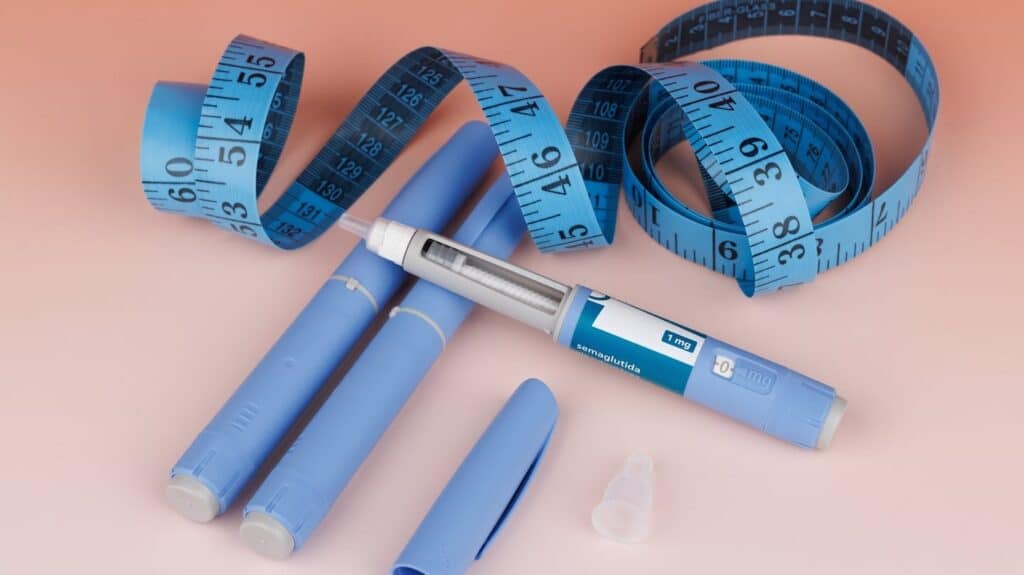
Targeted Pharmacological Support
Lifestyle changes often fail against strong biological adaptations. Medical providers prescribe advanced pharmacological therapies to address the physiological root causes of midlife weight retention directly.
- Peptide Therapies:
Glucagon-like peptide-1 receptor agonists improve cellular signaling and peripheral insulin sensitivity. These medications regulate appetite pathways and slow gastric emptying so patients can maintain a caloric deficit without severe hunger.
- Bioidentical Hormones:
This therapy resolves the metabolic slowdown caused by perimenopause and testosterone decline. By matching the molecular structure of human hormones exactly, these medical treatments create a metabolic advantage that forces the body to release trapped fat safely.
Medical Weight Management at Vivagen Health in Fort Lauderdale
Attempting to lose weight in the 40s without clinical guidance often leads to immense frustration and further metabolic damage. Over-the-counter supplements and extreme restriction diets cannot fix deep hormonal imbalances or reverse cellular aging. You need a medical approach tailored to your specific biological profile.
At Vivagen Health in Fort Lauderdale, we specialize directly in advanced metabolic medicine and clinical weight management. We conduct extensive biomarker testing to uncover your unique metabolic roadblocks. Based on this clinical data, we design targeted medical therapies that restore hormonal balance and reactivate your cellular metabolism.Please contact our experienced staff at our Coral Ridge Mall location at 954-440-6468 or our Broward Mall location at 954-372-2471. Your journey to better health starts with a professional consultation at one of our convenient South Florida clinics. Do not let normal biological changes dictate your long-term health and body composition.