

Weight loss often feels like a steep mountain to climb, especially if joint pain or low energy levels stand in your way. Many people believe that high-intensity sprinting or heavy lifting are the only paths to a leaner physique. However, low-impact exercise offers a sustainable and scientifically backed alternative for shedding fat without overtaxing your body.
At Vivagen Health, we understand that true wellness requires a balance of medical support and consistent physical activity. By choosing the best low-impact exercise to lose weight, you can protect your joints while consistently burning calories.

Top Low-Impact Cardio Workouts for Weight Loss
Cardiovascular activity remains a cornerstone of any fat-loss journey. While running can cause repetitive stress on the knees and ankles, low-impact alternatives provide similar heart-rate elevations with a fraction of the physical strain.
>>> Read more: https://my.clevelandclinic.org/health/diseases/21493-cardiovascular-disease
Swimming: The Ultimate Full-Body Calorie Burner
Swimming is frequently cited as the premier low-impact exercise to lose weight because water provides natural resistance while supporting your entire body weight. This buoyancy removes the jarring impact found in land-based sports. Because water is much denser than air, every stroke and kick requires significant energy expenditure.
- Full-body engagement:
Swimming recruits the core, back, arms, and legs simultaneously.
- High caloric burn:
A vigorous hour of laps can burn between 500 and 800 calories, depending on your stroke.
- Therapeutic benefits:
The hydrostatic pressure of water can aid circulation and reduce inflammation in the limbs.
Cycling and Spinning: High Energy, Low Joint Strain
Whether you prefer a stationary bike or an outdoor trail, cycling is an excellent way to improve cardiovascular health. It focuses primarily on the large muscle groups in the lower body, such as the quadriceps and glutes. These muscles require significant oxygen and energy to function, which helps you stay in a fat-burning zone for longer durations. Indoor spinning classes often incorporate interval training, which can further elevate your metabolic rate during and after the workout.
Power Walking: Simple, Accessible, and Effective
Never underestimate the power of a brisk walk. Power walking involves maintaining a pace of 3.5 to 4.5 miles per hour. This speed keeps your heart rate in the moderate-intensity zone, which is ideal for oxidizing fat. To increase the challenge without adding impact, you can walk on an incline. Walking uphill engages the posterior chain and significantly increases caloric demand compared to walking on flat ground.
>>> Read more: https://www.vinmec.com/eng/blog/brisk-walking-ideal-pace-benefits-and-calories-burned-en
| Exercise | Estimated Calories (1 Hour) | Primary Muscle Focus |
| Swimming (Laps) | 500 – 800 | Full Body / Core |
| Cycling (Moderate) | 450 – 600 | Quads / Glutes |
| Power Walking | 300 – 450 | Calves / Glutes |
| Water Aerobics | 350 – 500 | Core / Stability |

Low-Impact Strength Training to Boost Metabolism
Building lean muscle is a vital component of a successful weight loss strategy. Muscle tissue is metabolically active, meaning it burns more calories at rest than fat tissue does. You do not need to lift heavy barbells to see these benefits.
>>> Read more: https://vivagenhealth.com/metabolism-and-weight-gain/
Resistance Band Circuits for Lean Muscle
Resistance bands are versatile tools that provide constant tension throughout a movement. Unlike free weights, which rely on gravity, bands offer variable resistance that increases as the band stretches. This allows for smooth, controlled movements that are gentle on the tendons and ligaments.
- Time Under Tension:
Bands force your muscles to work during both the lifting and lowering phases.
- Portability:
You can perform a full-body circuit anywhere, ensuring you never miss a session.
- Scalability:
You can easily adjust the difficulty by using thicker bands or changing your grip.
>>> Read more: https://optimalsportspt.com/how-to-maintain-healthy-tendons/
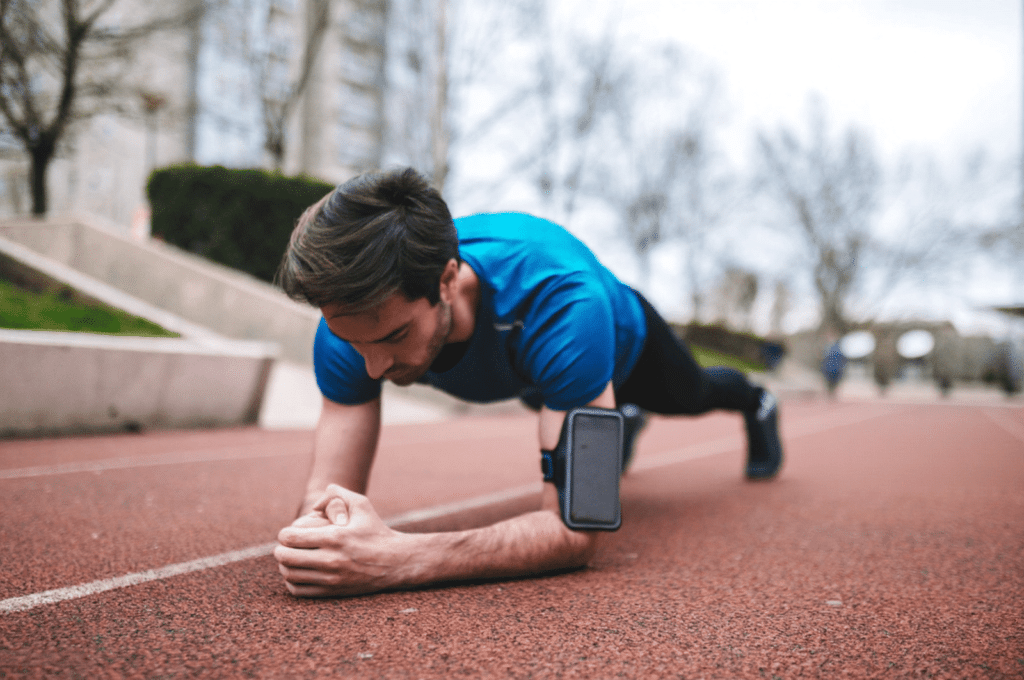
Bodyweight Isometrics for Stability and Fat Loss
Isometric exercises involve holding a position under tension without moving the joints. Examples include planks, wall sits, and glute bridges. These exercises are exceptionally safe because they do not involve repetitive joint friction. Isometrics improve muscle endurance and stability, creating a solid foundation for more dynamic movements later in your fitness journey.
>>> Read more: https://www.healthline.com/health/fitness-exercise/isometric-exercises#wall-sit
Pilates for Core Strength and Toning
Pilates focuses on small, controlled movements that emphasize core stability and postural alignment. While it may look gentle, the deep muscle activation required for Pilates can be quite intense. By strengthening the “powerhouse” (the abdominal and pelvic muscles), you improve your overall functional movement, which makes other forms of low-impact exercise more effective.
>>> Read more: https://vivagenhealth.com/weight-loss-blood-tests/
How to Structure Your Low-Impact Fitness Routine
Success in weight loss comes from a well-organized plan rather than random bursts of effort. Structuring your week ensures that you stay active while giving your body the time it needs to repair and grow stronger.
Balancing Consistency and Recovery Days
Consistency is the most important factor in seeing long-term results. Aim for at least 150 minutes of moderate activity per week. While these exercises are low-impact, your central nervous system and muscles still require rest. Use active recovery days for light stretching or a casual stroll to keep the blood flowing without causing fatigue.
Combining Cardio and Strength for Maximum Results
For the best results, integrate both cardio and strength training into your weekly schedule. A sample week might look like this:
- Monday: 45-minute Power Walk (Cardio)
- Tuesday: 30-minute Resistance Band Circuit (Strength)
- Wednesday: 30-minute Swimming or Water Aerobics (Cardio)
- Thursday: Active Recovery (Stretching or Yoga)
- Friday: 45-minute Pilates Session (Strength/Core)
- Saturday: Full Rest Day
- Sunday: 60-minute Leisurely Cycle (Cardio)
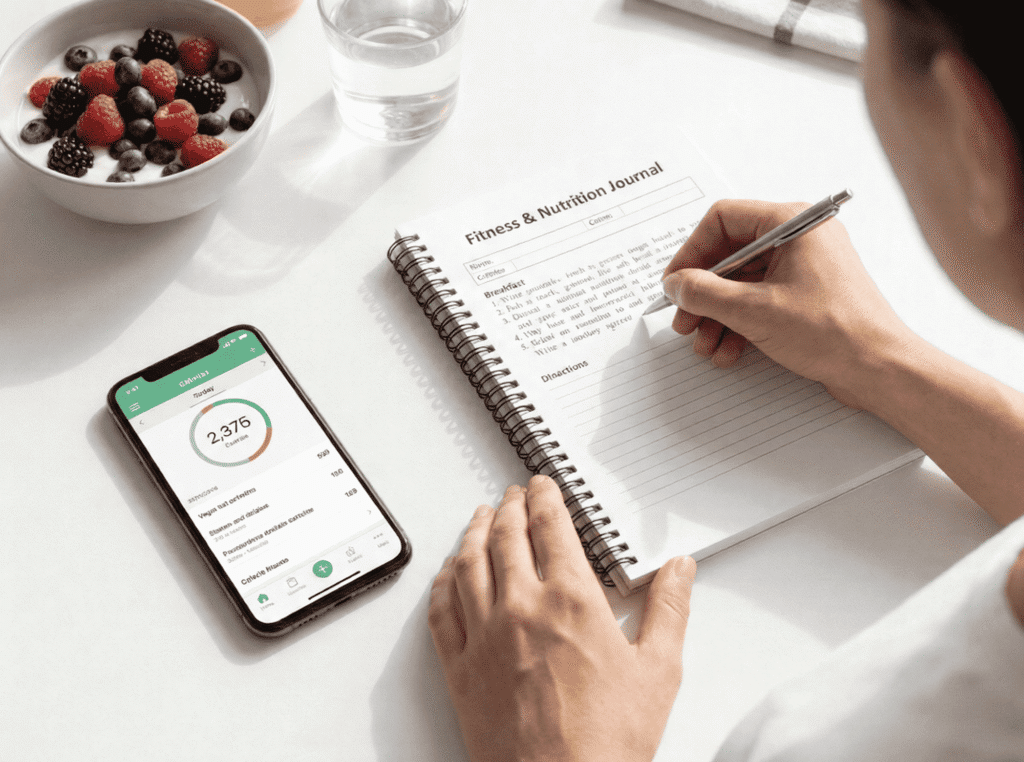
Tracking Your Nutrition and Caloric Deficit
No amount of exercise can override a poor diet. To lose weight, you must maintain a caloric deficit, where you burn more energy than you consume. Tracking your macronutrients—proteins, fats, and carbohydrates—ensures that your body has the fuel it needs to recover from your workouts while still tapping into stored fat for energy. High protein intake is especially important to preserve muscle mass while you lose weight.
Ready for a Healthy Lifestyle? Connect with Miles of Little Smiles
Starting a new fitness journey can be overwhelming, but you do not have to do it alone. At Vivagen Health, we specialize in providing medical weight loss solutions that work in harmony with your lifestyle. Our team of board-certified providers offers evidence-based programs, including FDA-approved medications and nutritional support. We look at the whole picture, from hormone health to metabolic function, to help you achieve sustainable results.
Please contact our experienced staff at our Coral Ridge Mall location at 954-440-6468 or our Broward Mall location at 954-372-2471 to learn more about our personalized care options. Whether you are struggling with a plateau or just beginning your wellness journey, we provide the medical expertise and support you need to reach your goals.