

If you have been searching “Am I eligible for medical weight loss?” you are probably past the point of casual curiosity. Something about your current approach is not working, and you want to know whether a medically supervised path makes sense for your situation. At Vivagen Health, the answer to that question is never a simple yes or no. It depends on your history, your health, and whether the care model actually fits what you need. This article breaks down what a real screening looks at and how to prepare before booking.

Most People Are Not Really Asking for a Yes or No
The search for medical weight loss eligibility usually carries more weight than the words suggest. Behind it is a history of effort, frustration, and a growing sense that something more structured might be needed.
The Deeper Question Is Whether Self-Directed Effort Has Stopped Being Enough
When someone asks, “Who qualifies for medical weight loss?” they are rarely looking for a checklist. More often, they have already tried multiple approaches on their own. Diets, exercise routines, and calorie tracking. The real question behind the search is whether their body is responding the way it should to those efforts, or whether something clinical is getting in the way.
Why Motivation Alone Does Not Answer Candidacy
Willpower is not a medical criterion. A person can be highly motivated and still face metabolic, hormonal, or medication-related barriers that make self-directed weight loss ineffective. Medical weight loss eligibility is determined by clinical factors, not effort level.
How to Use This Article Before Booking
Read this as a framework for understanding what a screening should cover. If the patterns below sound familiar, a consultation is worth scheduling. If you are unsure, bring your questions to the appointment and let the clinician help determine fit.

The Patterns That Usually Trigger a True Medical Weight Loss Review
Certain recurring experiences tend to signal that a person has moved beyond what general wellness advice can address. These are the patterns clinicians see most often when someone is genuinely ready for medically supervised weight loss.
Repeated Effort With Limited Response
You have followed structured plans more than once and seen little measurable change, or results that disappear within weeks of stopping.
Lose-Regain Cycles
You have lost weight successfully in the past but gained it back, sometimes exceeding your starting point. This pattern often points to underlying metabolic adaptation rather than a lack of discipline.
Weight Starting to Affect Energy, Health, or Daily Function
You are noticing changes in sleep quality, joint discomfort, blood sugar fluctuations, or persistent fatigue that correlate with weight gain.
>>> Read more: https://www.health.harvard.edu/pain/why-weight-matters-when-it-comes-to-joint-pain
Desire for Medical Oversight Rather Than Another Generic Plan
You want a provider who reviews lab work, adjusts treatment based on progress, and monitors for complications rather than handing you a meal plan and checking in monthly.

What a Clinician Should Review Before Saying This Is a Good Fit
Medically supervised weight loss candidacy is not something that can be determined from a single data point. A responsible screening looks at multiple layers of your health before recommending a path forward.
Weight History and Prior Attempts
A proper screening asks what you have already tried, how your body responded, and how long the results lasted. This context shapes which treatment options are realistic.
Symptoms, Medical Background, and Medications
Conditions like thyroid disorders, polycystic ovary syndrome (PCOS), insulin resistance, or sleep apnea can all influence weight and treatment selection. Certain medications, including some antidepressants, corticosteroids, and beta-blockers, can also make weight gain or loss more difficult.
| Screening Area | What the Clinician Is Looking For |
| Weight history | Pattern of loss and regain, duration of attempts |
| Current symptoms | Fatigue, joint pain, sleep disruption, and blood sugar issues |
| Medical conditions | Thyroid function, insulin resistance, PCOS, cardiovascular risk |
| Medications | Drugs that may promote weight gain or interact with treatment |
| Mental health context | Emotional eating patterns, disordered eating history |
>>> Read more: https://stop.publichealth.gwu.edu/fast-facts/mental-health-obesity
Expectations, Timeline, and Whether the Care Model Matches the Goal
Not every candidate is right for every program. A good screening also evaluates whether the person’s goals align with what medically supervised weight loss can realistically deliver within a given timeframe.
>>> Read more: https://vivagenhealth.com/?s=how+to+compare
Where BMI Fits and Where It Should Not Run the Whole Decision
Body mass index (BMI) is often the first number people look at when trying to determine whether they qualify for medical weight loss. It has a role, but it was never designed to be the only factor in a clinical decision.
Why Searchers Expect Numbers
Most people searching “who is a candidate for medical weight loss” expect a BMI cutoff. That expectation comes from insurance guidelines and pharmaceutical labeling, which often use a BMI of 30 or above (or 27 with comorbidities) as a starting threshold.
Why One Metric Should Not Replace Clinical Judgment
BMI does not account for muscle mass, fat distribution, metabolic health, or individual medical history. Two people with the same BMI can have very different risk profiles and very different treatment needs.
How Candidacy Is Broader Than a Quick Threshold Check
Medical weight loss candidacy should be based on the full clinical picture. A person with a BMI of 28 who has insulin resistance, a family history of type 2 diabetes, and years of unsuccessful dieting may be a stronger candidate than someone with a higher BMI and no complicating factors.

What Can Pause, Narrow, or Complicate Candidacy
Not everyone who wants medical weight loss is ready to start right away. Some situations call for additional evaluation or a different starting point before treatment can begin safely.
Situations Needing Broader Health Review First
Some conditions require stabilization before starting a weight loss program. These include:
- Uncontrolled thyroid disease
- Active eating disorders or untreated disordered eating
- Recent cardiovascular events
- Pregnancy or plans to become pregnant in the near term
- Unmanaged psychiatric conditions affecting medication compliance
Expectations Pushing the Wrong Treatment Choice
If a person’s primary goal is rapid cosmetic change rather than sustained health improvement, the screening should surface that mismatch early. Medically supervised weight loss is a clinical process, not a shortcut.
Reasons Convenience Should Not Replace Screening Quality
Online access has made it easier to get prescriptions without a thorough evaluation. A responsible provider will still review labs, assess contraindications, and build a monitoring plan before recommending treatment. Convenience matters, but not at the expense of safety.
Virtual First Step or In-Person Review?
How you begin the screening process matters less than the quality of the evaluation itself. Many of the initial steps in determining candidacy can happen remotely, though some situations call for closer clinical attention.
What Can Usually Be Handled Virtually
A virtual medical weight loss screening can effectively cover:
- Health history intake and medication review
- Discussion of symptoms and prior weight loss attempts
- Initial candidacy assessment
- Lab order placement for local blood draw
- Goal-setting and program overview
Vivagen Health offers virtual consultations designed to handle these steps efficiently without requiring an office visit.
When Closer Review May Still Matter
If there are complex comorbidities, recent hospitalizations, or a need for physical examination findings (such as signs of Cushing’s syndrome or severe edema), an in-person evaluation may be recommended before or alongside virtual care.
How Continuity and Follow-Up Affect Long-Term Fit
A screening is only the beginning. The real value of medically supervised weight loss comes from ongoing monitoring, dosage adjustments, and regular check-ins. Ask how follow-up visits are structured and whether your provider will be consistent across appointments.
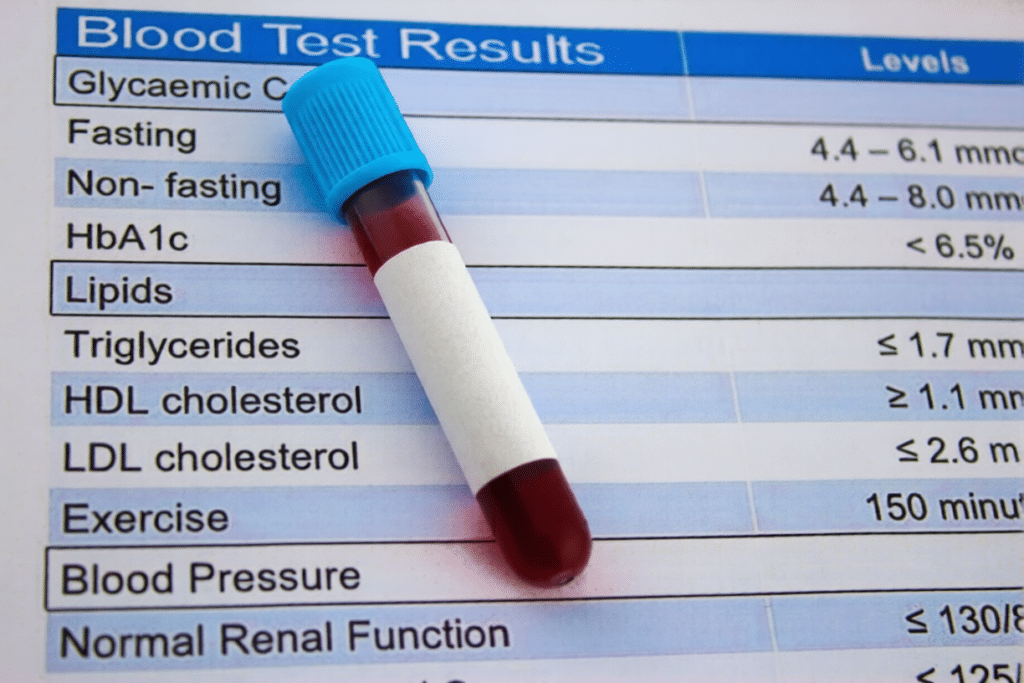
What to Bring Into the Consultation So the Screening Is More Useful
The more context you provide upfront, the more your clinician can accomplish during the initial visit. A few minutes of preparation can turn a general conversation into a focused clinical assessment.
Prior Attempts, Symptom Notes, Medication Context, and the Questions You Want Answered
Coming prepared makes your consultation more productive. Bring or have ready:
- A list of past weight loss methods you have tried and approximate results
- Current medications with dosages
- Any recent lab work (within the last 6 to 12 months)
- Notes on symptoms you have noticed, including when they started
- Questions about the specific program, expected timeline, and what monitoring looks like
| What to Prepare | Why It Matters |
| Past diet and exercise history | Helps the clinician identify what has and has not worked |
| Current medication list | Flags potential interactions or contributing factors |
| Recent bloodwork | Saves time and may reveal metabolic markers early |
| Symptom timeline | Connects weight changes to other health shifts |
| Your own questions | Ensures the consultation addresses your actual concerns |
Ready to Find Out Whether Medical Weight Loss Fits Your Situation?
If the patterns in this article feel familiar, the next step is a real conversation with a clinician who can review your history and help you understand your options. You do not need to have all the answers before reaching out. The purpose of a consultation is to assess where you stand, what may be contributing to your weight, and whether a medically supervised approach aligns with your health goals and daily life.
At Vivagen Health, every consultation starts with a thorough screening designed to evaluate your full medical picture, not just a single number on a scale. Whether you are exploring medical weight loss for the first time or returning after past attempts that did not hold, scheduling a consultation gives you a clear, clinical starting point. Schedule a consultation with Vivagen Health to see whether medically supervised weight loss may be appropriate for you.