

Achieving lasting health requires moving beyond rapid fad diets. A sustainable weight loss rate ensures long-term success by working alongside human biology rather than against it. When individuals attempt to shed pounds too rapidly, they trigger physiological defenses that make long-term weight maintenance nearly impossible. Understanding the clinical benchmarks of a sustainable rate of weight loss provides a safe framework for lasting metabolic health.
At Vivagen Health, the medical team applies these exact biological principles to design highly individualized treatment plans. Our clinical approach focuses entirely on establishing a safe and sustainable rate of weight loss for each patient. By utilizing advanced diagnostics and direct medical oversight, we ensure your body successfully prioritizes fat oxidation without triggering the restrictive defense mechanisms that derail long-term progress.
The Science Behind a Sustainable Rate of Weight Loss
Clinicians generally define a sustainable weight loss rate as losing one to two pounds per week. This equates to approximately 0.5 to 1.0 percent of total body weight. Pushing beyond these parameters often triggers extreme biological defense mechanisms.
Understanding Metabolic Adaptation
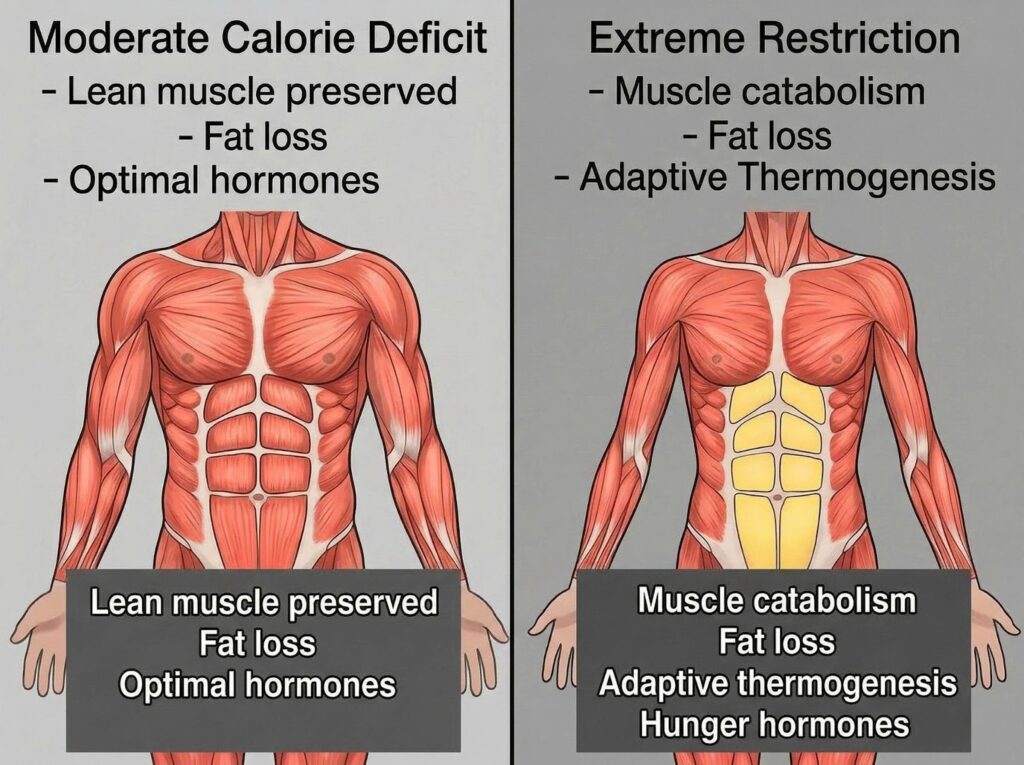
When calorie deficits are too aggressive, the human body initiates adaptive thermogenesis. This process slows the basal metabolic rate to conserve energy. The body perceives extreme calorie restriction as a starvation event. Hormones like leptin decrease rapidly, which increases hunger signals sent to the brain. Ghrelin levels rise to stimulate appetite further. Simultaneously, thyroid hormones downregulate to reduce overall cellular energy expenditure.
A sustainable rate of weight loss prevents this drastic metabolic slowdown. By creating a moderate calorie deficit, the body feels secure enough to release stored fat without heavily suppressing the baseline metabolic rate.
>>> Read more: https://www.muscleandstrength.com/articles/how-to-combat-adaptive-thermogenesis-during-fat-loss
The Risk of Rapid Tissue Catabolism
Aggressive dieting forces the body to find immediate alternative energy sources. When fat stores cannot mobilize fast enough to meet high energy demands, the body turns to lean tissue. This leads to tissue catabolism. Muscle protein is broken down into amino acids for fuel via a biological process called gluconeogenesis.
Losing muscle mass directly decreases your daily resting energy expenditure. A lower resting metabolic rate makes rebound weight gain highly likely once normal eating behaviors resume. Maintaining a controlled and sustainable weight loss rate protects muscle fibers and forces the body to prioritize fat oxidation over protein breakdown.
Biological Variables Influencing Your Optimal Pace
Every individual requires a personalized clinical approach. Several physiological factors determine what speed is physically safe and realistic for your specific body.
Starting Body Composition and BMI
A person with a higher starting body mass index (BMI) can safely lose weight at a faster absolute rate than someone leaner. Individuals with severe obesity might safely lose up to three pounds per week under direct medical supervision. High amounts of adipose tissue provide a larger energy reserve. Conversely, an athlete looking to lower body fat percentage must adopt a much slower pace to protect athletic performance and lean mass.
| Starting Body Mass Level | Safe Weekly Loss Target | Primary Biological Focus |
| High Adiposity | 1.5 to 3.0 lbs | Maximum fat oxidation and metabolic repair |
| Moderate Adiposity | 1.0 to 2.0 lbs | Steady fat loss and active muscle retention |
| Low Adiposity | 0.5 to 1.0 lbs | Strict muscle preservation and hormonal balance |

Hormonal Baseline and Endocrine Health
Your endocrine system heavily dictates how quickly you can safely drop body fat. Conditions like hypothyroidism directly alter cellular energy use and slow resting metabolic rates. High fasting insulin levels block fat breakdown by inhibiting an enzyme called hormone-sensitive lipase. Elevated cortisol from chronic physiological stress promotes visceral fat storage around the abdomen. A proper clinical approach evaluates these baseline hormone levels before setting dietary targets.
Regulating these biological pathways allows the body to release body fat at a healthy and predictable speed.

Clinical Benefits of a Controlled Reduction Rate
Taking a slower approach offers deep physiological advantages that extreme crash diets completely ignore.
Preserving Lean Muscle Mass
Muscle tissue is highly active metabolically. It burns calories around the clock just to sustain itself. Rapid diets often cause a significant and dangerous drop in this active tissue. This leads to a condition known as sarcopenic obesity, where individuals lose weight but end up with a higher relative body fat percentage due to severe muscle loss.
A sustainable rate of weight loss combined with adequate protein intake and resistance training preserves this internal metabolic engine. Preserving skeletal muscle ensures your resting metabolic rate remains elevated. This biological reality makes long-term weight maintenance significantly easier to manage over the years.
Preventing Systemic Stress and Gallstone Formation
Rapid fat loss places immense stress on the liver and the biliary system. As the body rapidly breaks down fat tissue, the liver secretes extra cholesterol into the bile. At the same time, severe calorie restriction drastically reduces normal gallbladder contractions.
This biological combination causes bile to stagnate within the organ. The excess cholesterol crystallizes, resulting in painful gallstones known clinically as cholelithiasis. A gradual reduction rate maintains normal physiological gallbladder function and actively prevents this severe clinical complication.
Monitoring Progress Beyond the Scale
The standard bathroom scale only tells a very small part of the story. True physiological progress requires tracking specific biological changes inside your body.
Evaluating Body Composition Metrics
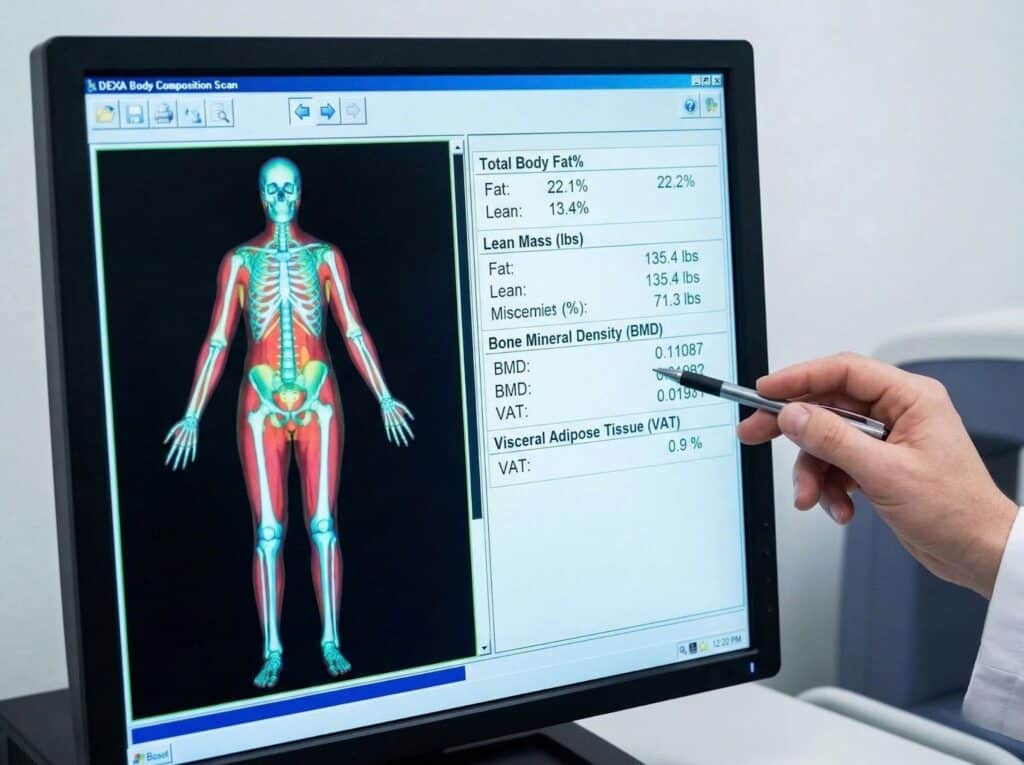
Body weight alone cannot distinguish between fat loss, daily water fluctuations, and severe muscle degradation. Clinical body composition analysis provides exact data on how your internal tissues are changing.
Methods for tracking these precise metrics include:
- Dual-Energy X-ray Absorptiometry (DEXA) scans to measure exact fat mass and bone mineral density.
- Bioelectrical Impedance Analysis (BIA) scales to track cellular hydration and lean mass ratios.
- Skinfold caliper measurements to track localized subcutaneous fat reduction accurately.
- Magnetic resonance imaging (MRI) for highly specific visceral fat volume measurements.
These advanced tools verify that your weight reduction comes exclusively from unwanted fat stores rather than vital lean tissue.
Tracking Metabolic Markers
Internal health improvements often precede visible physical changes in the mirror. Routine bloodwork provides objective data regarding your physiological response to a diet plan.
Clinicians regularly monitor the following markers:
- Fasting blood glucose and hemoglobin A1c to measure systemic insulin sensitivity.
- Triglycerides and high-density lipoprotein (HDL) levels to accurately assess cardiovascular health.
- High-sensitivity C-reactive protein (hs-CRP) levels to track total systemic inflammation.
- Liver enzymes (ALT and AST) to monitor the active resolution of fatty liver disease.
Improving these specific internal markers confirms that your current dietary strategy is clinically sound and structurally safe.
>>> Read more: https://vivagenhealth.com/medical-clinic-for-weight-loss/
Establishing Your Trajectory at Vivagen Health Fort Lauderdale
At Vivagen Health, we prioritize medical safety and long-term biological results over fleeting internet trends. We deeply understand that finding your sustainable weight loss rate requires precise clinical oversight. Our expert medical team in Fort Lauderdale evaluates your unique endocrine profile, resting metabolic baseline, and exact body composition.We construct an evidence-based medical roadmap designed to protect your lean mass while heavily optimizing fat oxidation. By consistently measuring your internal health markers and providing continuous medical guidance, we ensure your physical progress remains safe and highly permanent. Achieving better health is a biological process that demands strict scientific precision. Reach out to Vivagen Health at our Coral Ridge Mall location at 954-440-6468 or our Broward Mall location at 954-372-2471 to start building a customized, medically supervised framework for lasting metabolic success.