
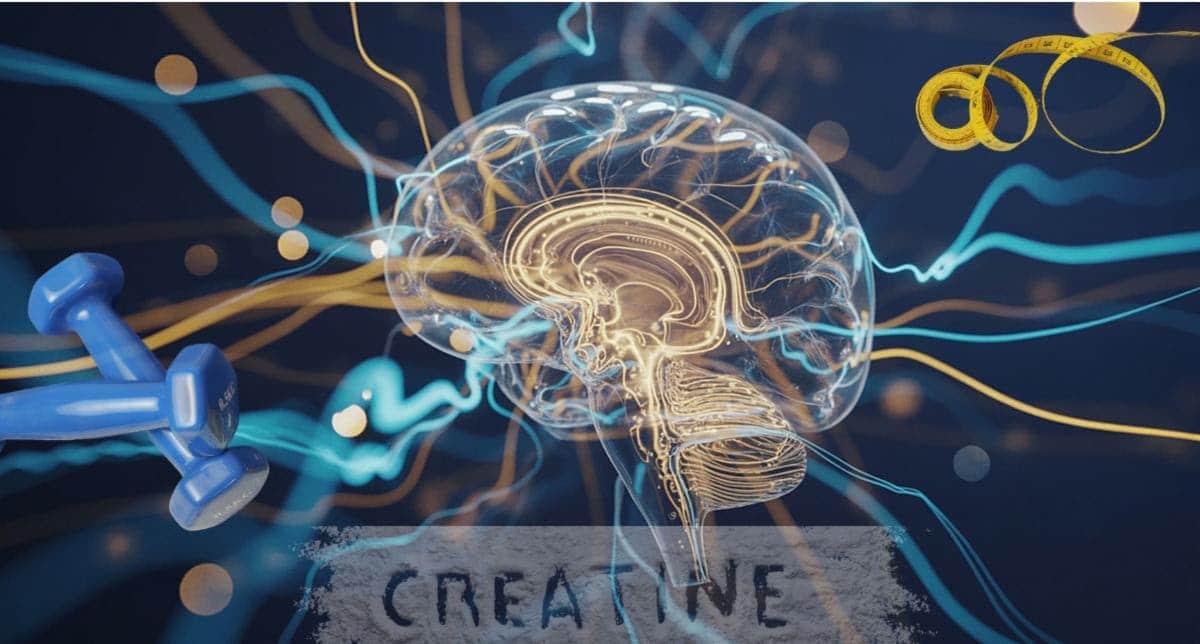
You might know creatine as something bodybuilders take, but here’s what might surprise you: this simple supplement could help keep both your muscles and your brain sharp as you age, and it may be especially important if you’re taking a GLP-1 medication.
The basics
Creatine is found naturally in meat and fish, and your body makes some on its own. Think of it as a battery charger for your cells- it helps recharge the energy your muscles and brain use constantly throughout the day.
Why your muscles will thank you
When combined with regular exercise, creatine helps you get stronger, recover faster between workouts, and build more muscle. This isn’t just for athletes- studies show it works for older adults too, helping maintain the strength you need for everyday activities like climbing stairs, carrying groceries, or playing with kids.
The brain connection
Here’s the exciting part: your brain uses a massive amount of energy every day, and creatine helps fuel it. Research shows that creatine supplementation can improve memory, especially in adults over 65. Some studies even suggest it might help when you’re sleep-deprived or mentally exhausted.
Why this matters if you’re on a GLP-1 medication
If you’re taking medications like semaglutide or tirzepatide, you’re likely experiencing significant weight loss- which is great! However, research shows that about 25-40% of the weight you lose may come from lean tissue, including muscle. While some muscle loss is normal with any weight loss, preserving muscle is crucial for maintaining strength, mobility, and metabolic health as you age.
Creatine, combined with resistance training and adequate protein intake (at least 1.3 grams per kilogram of body weight daily), may help protect your muscle mass during weight loss. While we don’t yet have specific studies proving creatine prevents muscle loss on GLP-1s, we know it supports muscle growth and strength-making it a smart addition to your muscle-preservation strategy.
Is it safe?
Creatine is one of the most studied supplements out there, with research showing it’s safe for long-term use in healthy adults. The typical dose is just 3-5 grams daily (about a teaspoon), although, sometimes a higher dose may be recommended. Some people notice mild water weight gain or temporary digestive changes, but serious side effects are rare.
Who benefits most?
You might especially benefit from creatine if you’re:
- Taking a GLP-1 medication and want to protect muscle during weight loss
- Vegetarian or vegan (since you’re not getting it from meat)
- Over 60 and want to maintain muscle and mental sharpness
- Exercising regularly and want better results
Bottom line
The goal isn’t just weight loss- it’s preserving strength, supporting metabolism, and maintaining overall performance- both physically and mentally. If you’re curious about trying it, let’s discuss whether it makes sense for you at your next visit.